

Post-run hip mobility: a gentle 12-minute reset with practical movement guidance and an emphasis on a comfortable range.
A post-run mobility routine should help a runner settle after training, not become a second workout. This 12-minute sequence uses gentle, supported movements for the hips, calves and trunk. It is designed for runners who finish without injury symptoms and want a repeatable transition from exercise to the rest of the day.
Mobility is not a contest to reach the largest range. Bone structure, training history and current comfort differ between people. Move slowly, breathe normally and stop well before sharp pain, pins and needles or instability.
[adinserter block=”1″]post-run hip mobility: The 12-minute sequence
| Movement | Time | Focus |
|---|---|---|
| Easy walk | 2 minutes | Let breathing and stride settle gradually. |
| Supported calf rocks | 1 minute each side | Keep the heel comfortable and use a small range. |
| Half-kneeling hip shift | 1 minute each side | Keep the ribs quiet; do not force the front of the hip. |
| Seated figure-four position | 1 minute each side | Sit tall and stop if the knee feels pressured. |
| Open-book trunk rotation | 1 minute each side | Follow the hand with the eyes while breathing calmly. |
| Legs-supported breathing | 2 minutes | Finish with relaxed, unforced breaths. |
When to use it
The sequence can follow an easy run, long run or controlled workout. After a hard event, walking, food, fluid, dry clothing and transport may deserve priority; mobility can wait until the runner is comfortable. There is no requirement to stretch immediately to preserve fitness gains.
If one side consistently feels restricted, avoid repeatedly forcing it to match the other. A qualified physiotherapist or exercise professional can assess whether the difference is relevant and help distinguish ordinary stiffness from an injury requiring treatment.
[adinserter block=”1″]Progress by improving control
Rather than pushing farther, make the routine smoother. Use less hand support only when balance is reliable, extend a position by 10 or 15 seconds, or add a second round to the movement that feels most useful. Mobility should leave the runner feeling settled rather than depleted.
Keep the sequence optional on days when time is limited. A few minutes of easy walking and changing into warm, dry clothing may be the more useful recovery choice after a cold or wet run. The routine can be completed later when the body has settled.
Comfortable clothing and useful links
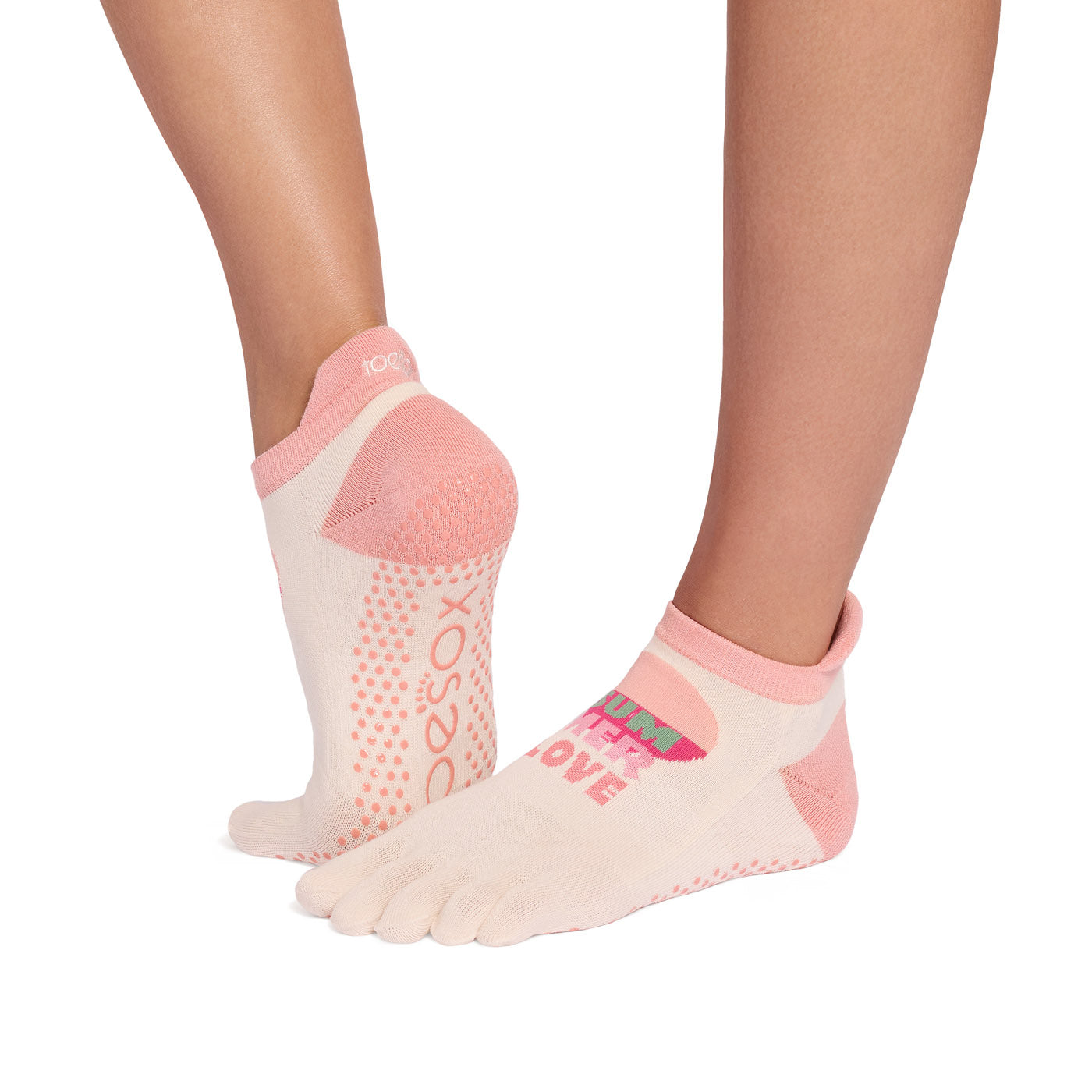
Clothing that permits comfortable movement can make floor-based recovery easier. Runners exploring activewear can visit TAVI; product choice remains personal and no garment replaces safe technique or professional advice.
For recovery tracking and running-watch comparisons, visit Running Watches Australia. RunHQ’s training library and events calendar provide additional planning resources.
Sources and product reference
- Australian Government movement recommendations
- Sports Medicine Australia running fact sheet
- TAVI official site
Health and safety notice
This article provides general information only and is not personalised medical, health, nutrition or exercise advice. New or returning runners, pregnant readers, people taking medication, and anyone with a health condition or injury should consult an appropriately qualified health professional or accredited exercise professional before starting or changing training. Stop exercising and seek prompt professional help if you experience chest pain, fainting, severe or unusual breathlessness, sudden weakness, confusion, numbness or any other concerning symptoms.
Planned featured image: existing original RunHQ artwork titled “Post-run hip mobility for runners”, with its existing media-library credit and provenance.
Related reading: Hip Mobility for Runners: A 10-Minute Post-Run Reset.