
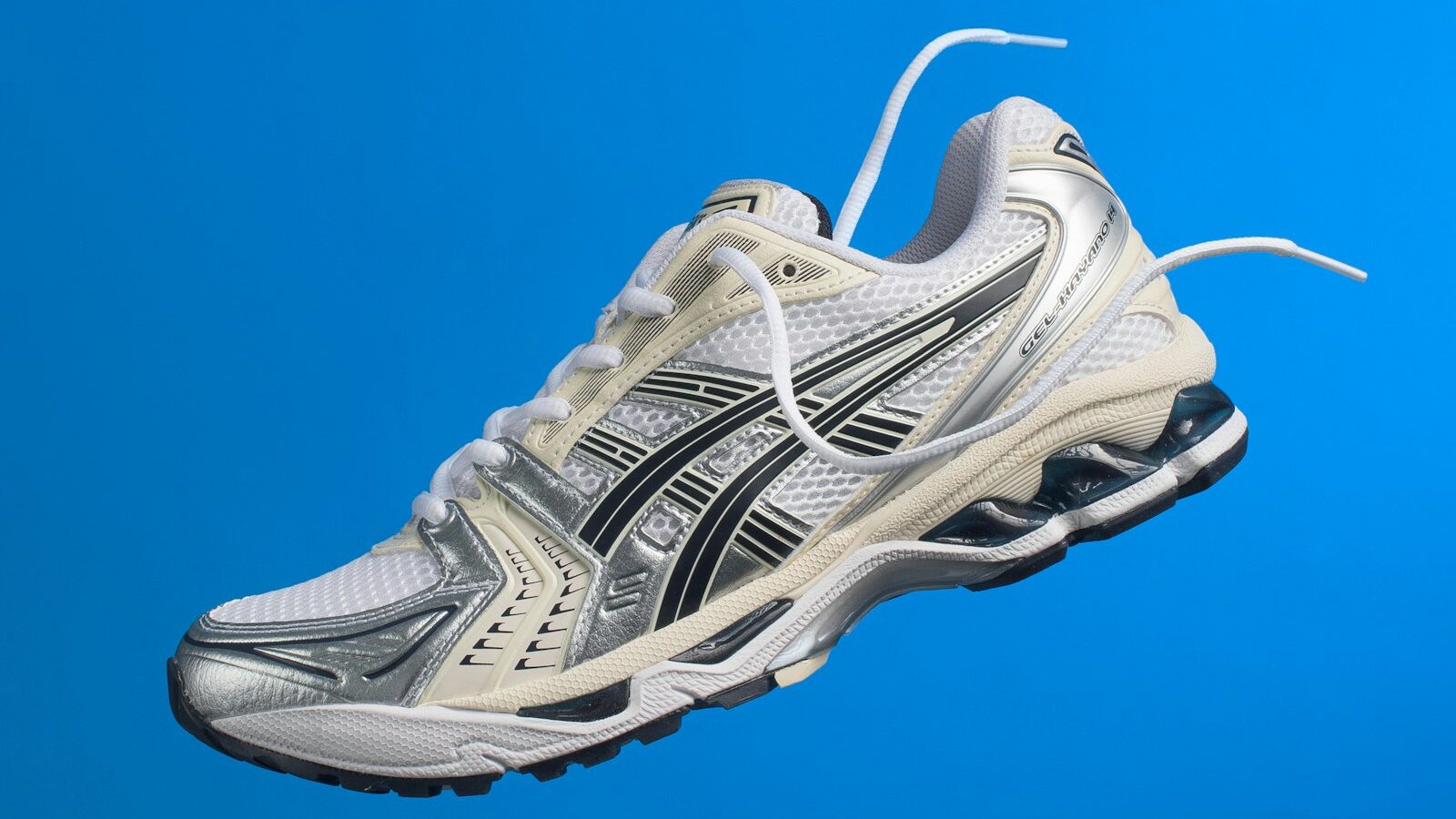
This guide to daily trainer running shoes explains what to compare when choosing a pair for regular training.
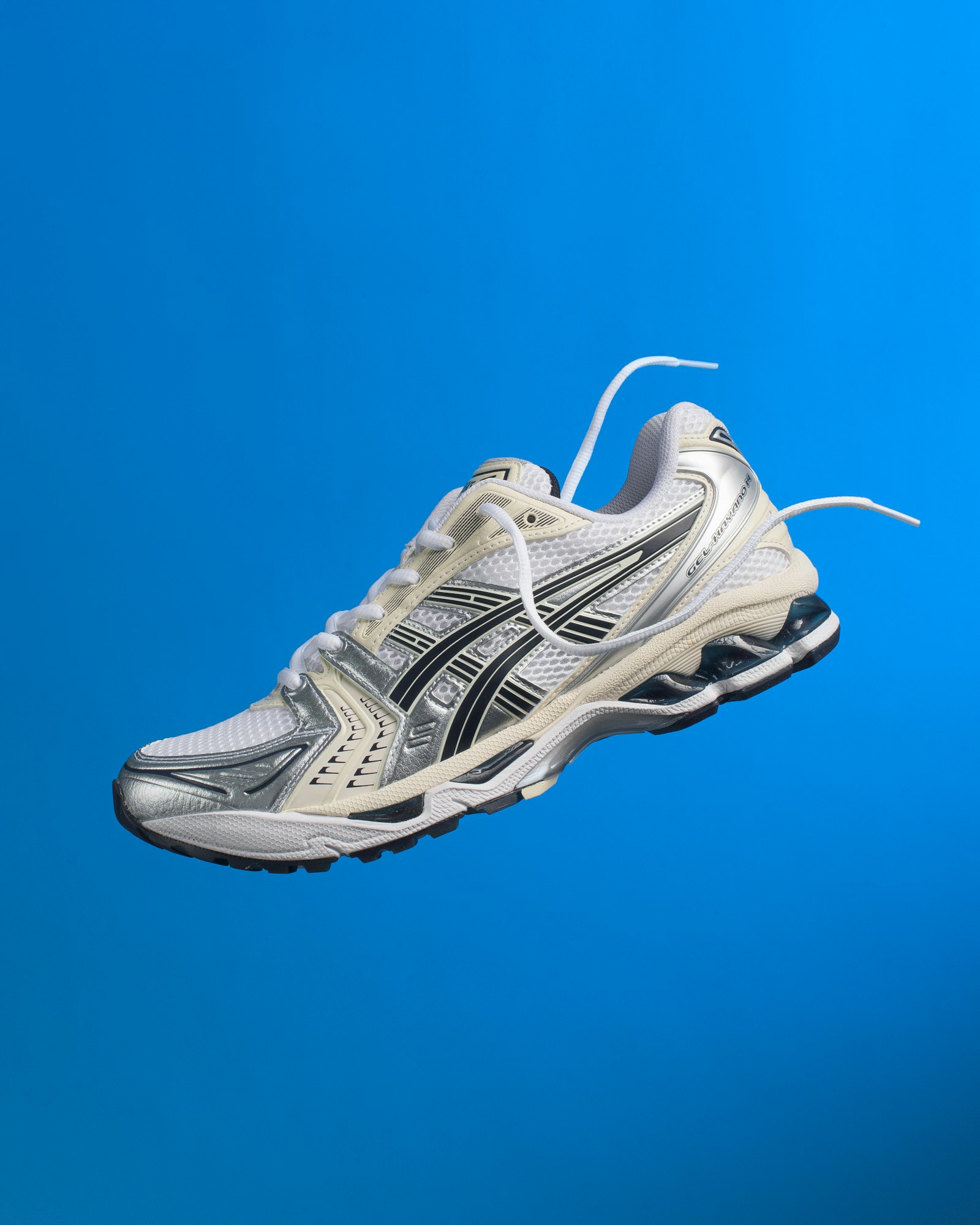
Daily trainers handle most of a runner’s weekly kilometres, so comfort, stability, fit and durability matter more than marketing hype.
daily trainer running shoes: Cushioning and ride
Softer foam can feel comfortable on easy runs, while a firmer or more responsive platform may suit runners who want one shoe for steady efforts as well. Stack height alone does not determine comfort: platform width, geometry and foam density also change how a shoe feels.
Fit comes first
Allow room for the foot to expand during longer runs. Check heel security, forefoot width and whether the upper creates pressure over the toes or instep. Whenever possible, try shoes with the socks and orthotics you normally use.
Match the shoe to the job
High-mileage runners may prioritise outsole coverage and predictable cushioning. New runners may value stability and comfort. Runners using a separate racing shoe can choose a durable, relaxed daily option rather than demanding speed from every pair.
This article is editorial guidance rather than a hands-on group test. Product-specific recommendations will be added when models and test methods can be documented.
Related reading: What to Eat Before a Long Run: A Practical Breakfast Guide.