
Pilates for runners: a 20-minute single-leg control routine with controlled movement and practical guidance for fitting it around running.
Running repeatedly asks each leg to accept load, stabilise the pelvis and push the body forward. Pilates-style strength work can give recreational runners a quiet, controlled way to practise those qualities without turning every session into another hard workout. This 20-minute routine uses simple movements that emphasise breathing, alignment and gradual progression.
The Australian Government’s movement recommendations encourage adults to include muscle-strengthening activity on at least two days each week, alongside mobility, balance and coordination work. Pilates can contribute to that broader pattern, but it is not a guaranteed injury-prevention treatment and it should not replace assessment for persistent pain.
[adinserter block=”1″]Pilates for runners: A 20-minute Pilates routine for runners
Begin with two or three minutes of comfortable breathing and easy movement. Complete two rounds of the following exercises. Move slowly enough to notice whether the pelvis, ribs and supporting foot remain controlled. Rest whenever technique begins to deteriorate.
| Exercise | Amount | Focus |
|---|---|---|
| Bridge with alternating heel lift | 6–8 each side | Keep the pelvis level while one heel rises. |
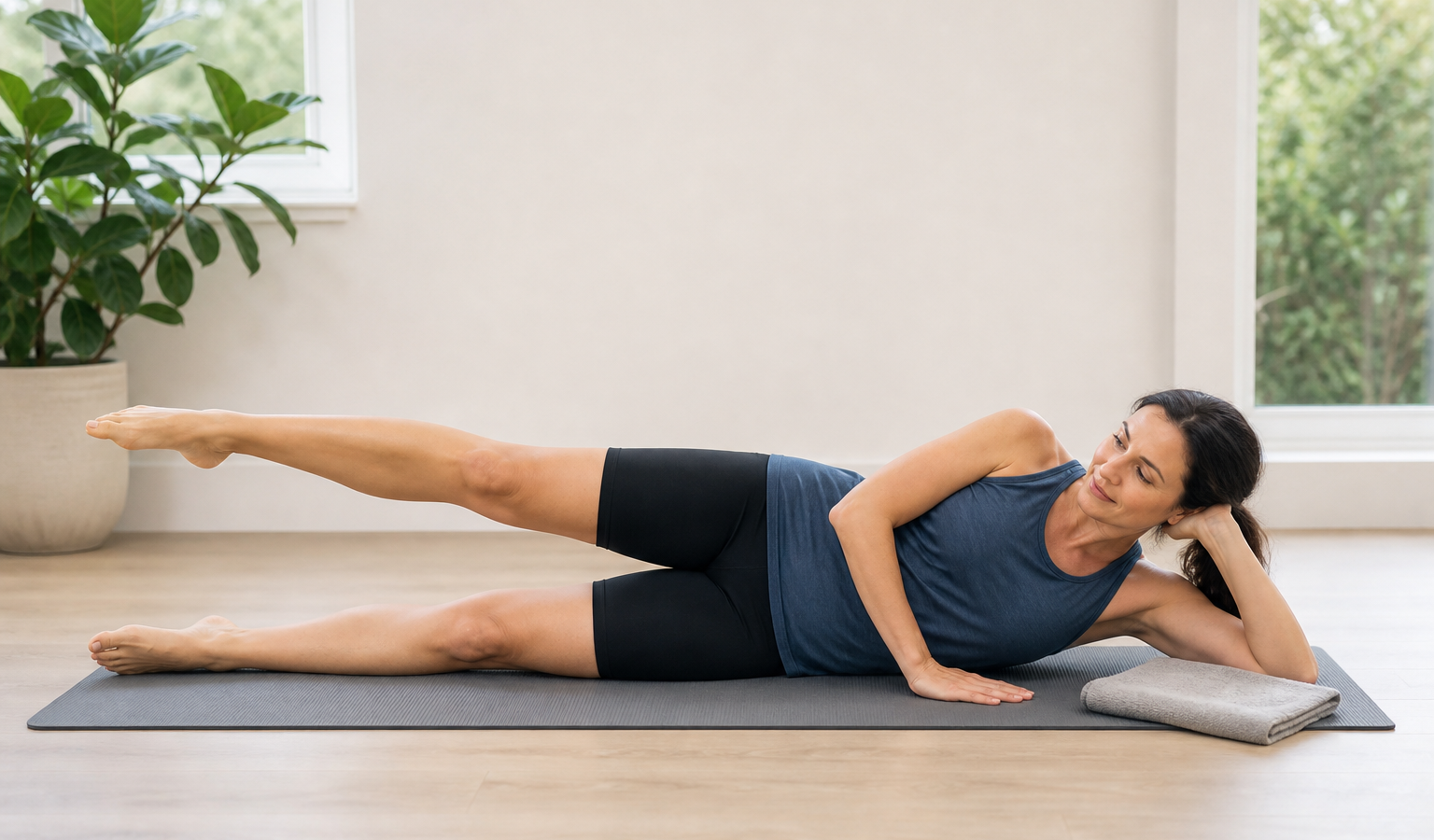
| Side-lying leg lift | 8–12 each side | Lengthen the leg and avoid rolling backwards. |
| Dead bug heel tap | 6–10 each side | Use a comfortable range while breathing normally. |
| Supported single-leg balance | 20–30 seconds each side | Use a wall or chair and keep the standing foot relaxed. |
| Clamshell | 8–12 each side | Open the top knee without rotating the trunk. |
| Quadruped arm-and-leg reach | 5–8 each side | Reach long while keeping the torso steady. |
Progress one variable at a time
For the first two weeks, use bodyweight and a range that feels controlled. Progress by adding two repetitions, extending a hold by five seconds, using a light resistance band or completing a third round. Do not increase all of these at once. The routine should finish with the sense that another technically sound repetition was possible.
Balance exercises are not tests of pride. Light fingertip support lets you practise alignment without repeatedly stepping or twisting to catch yourself. Reduce the support gradually only when control is consistent.
[adinserter block=”1″]Where it fits in a running week
Place the routine after an easy run, on a separate low-intensity day, or as a short home session. Avoid introducing unfamiliar exercises immediately before a long run, speed workout or race. One session per week is a reasonable beginning; a second can be added after the movements feel familiar and recovery remains good.
Pilates should support the week rather than compete with it. If leg heaviness affects running form, reduce the number of rounds or move the session farther from important workouts. Sharp pain, worsening symptoms, numbness or loss of strength are reasons to stop and seek appropriate assessment.
Useful equipment and links
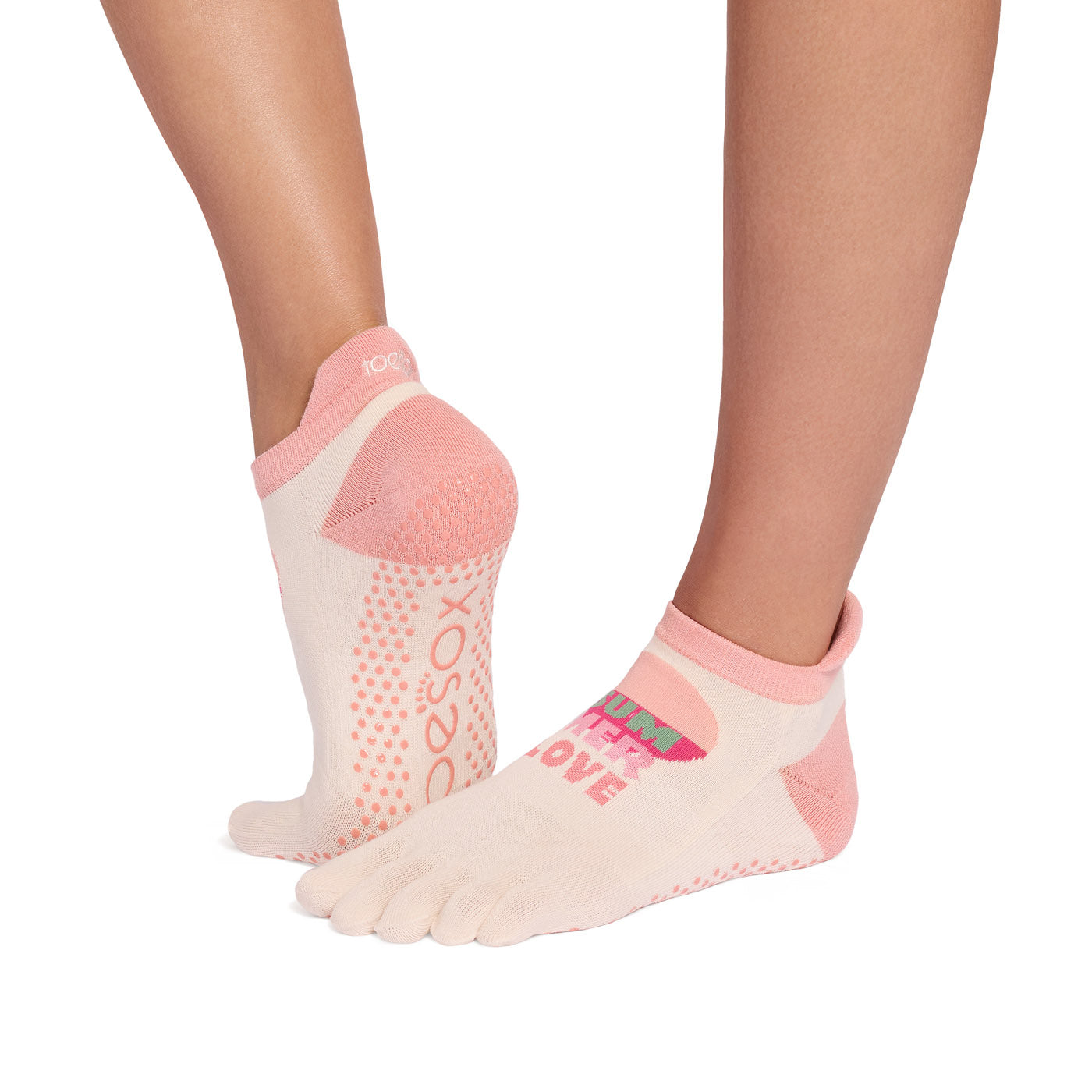
A mat is sufficient for the basic routine. Grip socks from TAVI or ToeSox may help some people feel secure on smooth indoor floors, but footwear or socks do not replace a stable surface and careful technique. Keep water nearby and choose a bottle that is practical to clean and carry.
For running-watch comparisons and guidance on recording cross-training sessions, visit Running Watches Australia. RunHQ readers can also explore the training library and Australian Running Events Calendar.
Conclusion
A short Pilates routine works best when it is repeatable. Use controlled ranges, keep breathing naturally and progress modestly. Consistency matters more than chasing the hardest variation, particularly when the session sits alongside running, work and everyday recovery demands.
Sources and product references
- Australian Government recommendations for adults
- Australian 24-hour movement guidelines
- TAVI official site
- ToeSox official site
Health and safety notice
This article provides general information only and is not personalised medical, health, nutrition or exercise advice. New or returning runners, pregnant readers, people taking medication, and anyone with a health condition or injury should consult an appropriately qualified health professional or accredited exercise professional before starting or changing training. Stop exercising and seek prompt professional help if you experience chest pain, fainting, severe or unusual breathlessness, sudden weakness, confusion, or any other concerning symptoms.
Planned featured image: existing original RunHQ artwork titled “Side-lying Pilates hip stability for runners”, with its existing media-library credit and provenance.
Related reading: Pilates for Runners: Foot, Ankle and Hip Control.