

Geelong Running Festival results for 2026 are now official after Sunday 20 September’s inaugural Zeekr Marathon. World Athletics and MultiSport Australia list Colm Fitzgerald as the inaugural Zeekr Marathon winner in 2:22:09, with Sarah James leading the women’s classification in 2:51:57. The result set gives the new Victorian event a clear first chapter while the wider weekend brought marathon, half-marathon, wheelchair and community distances together.
Fitzgerald sets the first men’s mark
Fitzgerald’s 2:22:09 was the fastest gun time in the official overall table. Andres Cubides was second in 2:31:55, followed by David Fawkes in 2:35:06 and Ryan Marino in 2:36:09. MultiSport’s listing also shows Mac Fox fifth in 2:38:00. Those are gun-time positions, the measure the organiser says determines the overall winner and top places.
James leads the women’s result
Sarah James finished 11th overall in the combined table and first among women in 2:51:57. Hayley Waterson was second in the women’s classification at 2:55:42, while Jane Fardell was third in 2:58:04. MultiSport’s individual record for Waterson confirms her gun and net times were both 2:55:42, placing her 15th overall and second of 315 women. The published classifications keep overall gun-time honours separate from age-group recognition.
A weekend built around more than one race
The organiser’s schedule shows why the weekend felt bigger than a single marathon. Saturday included the GYG Kids 800m, Kids 1-Mile and All Abilities 1-Mile. Sunday then opened with the wheelchair RedZed Half Marathon at 6:55am, followed at 7:00am by the Zeekr Marathon and RedZed Half Marathon, and at 7:25am by the Henley Homes Community 6.5km. The official program also listed a post-race party from 8:00am to 2:00pm.
That structure gave families, first-time participants, club runners and experienced marathoners a shared race weekend. It also created a useful distinction in the results: a marathon placing is not a proxy for the participation story across the half marathon, wheelchair and community events.
How to read the official times
Geelong Running Festival’s FAQ explains that overall winners and top placegetters are decided by gun time, while age-group winners are decided by net time. MultiSport displays both measures on result pages. Readers checking their own performances should therefore open the official individual record rather than infer a place from net time alone. The organiser’s results link sends participants to MultiSport Australia, whose table is the source used for the leading marathon marks reported here.
What the first edition leaves behind
There is no earlier Geelong marathon result to compare with: this was the inaugural edition. The useful benchmark is therefore the transparent starting point—Fitzgerald’s 2:22:09, James’s 2:51:57, and a program that connected elite-style marathon racing with accessible distances and Saturday youth and all-abilities events. Future editions can now measure progress against a documented first year rather than speculation about an unrun past.
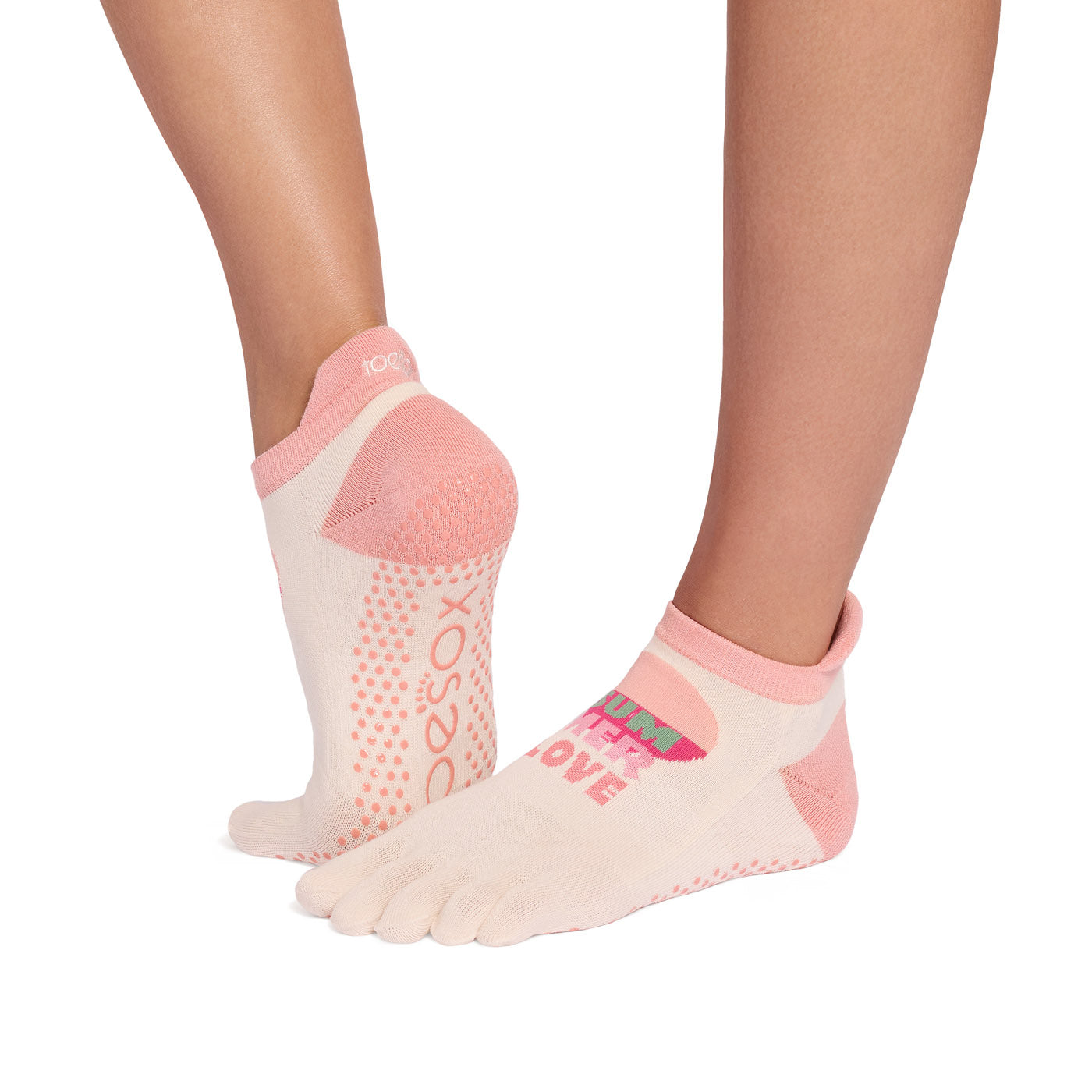
For the event’s official schedule and course information, see the Geelong Running Festival organiser and published weekend schedule. RunHQ’s earlier Geelong preview now belongs in the pre-race archive, while the expo report records the ToeSox, Tavi Active and Mizu promotional presence in past tense. For future race planning and watch data, visit Running Watches Australia.
Sources: World Athletics official marathon results, MultiSport Australia official overall results, and the organiser FAQ and timing rules.
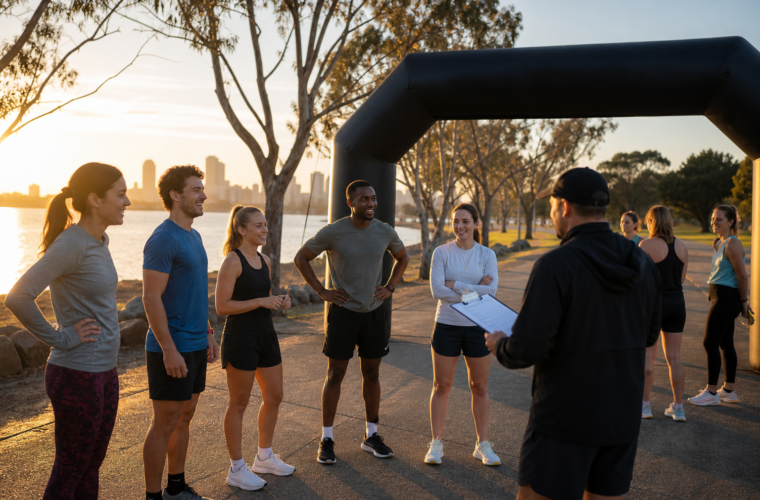
Image credit: Original RunHQ editorial artwork created for the Australian Running Events Calendar; reused here as an illustrative event graphic. © RunHQ / Charles R Summer.