
After work mobility for runners: an eight-minute reset with practical movements to fit between the workday and your next activity.
Sitting through a long workday can make the first kilometre of an evening run feel stiff, even when nothing is injured. A short mobility sequence can help you change positions, raise body temperature and reconnect with comfortable movement before heading outside. The purpose is preparation, not forcing flexibility or replacing a gradual running warm-up.
after work mobility for runners: Use mobility as a transition
Better Health Channel recommends warming up gradually before exercise. Begin by walking around the room, then use the six movements below for about one minute each. Keep breathing normally and work within a pain-free range. Follow the routine with five to ten minutes of very easy running before increasing effort.
Heading out after work? Compare training and navigation features at Running Watches Australia.
The eight-minute sequence
1. Standing reach and side bend
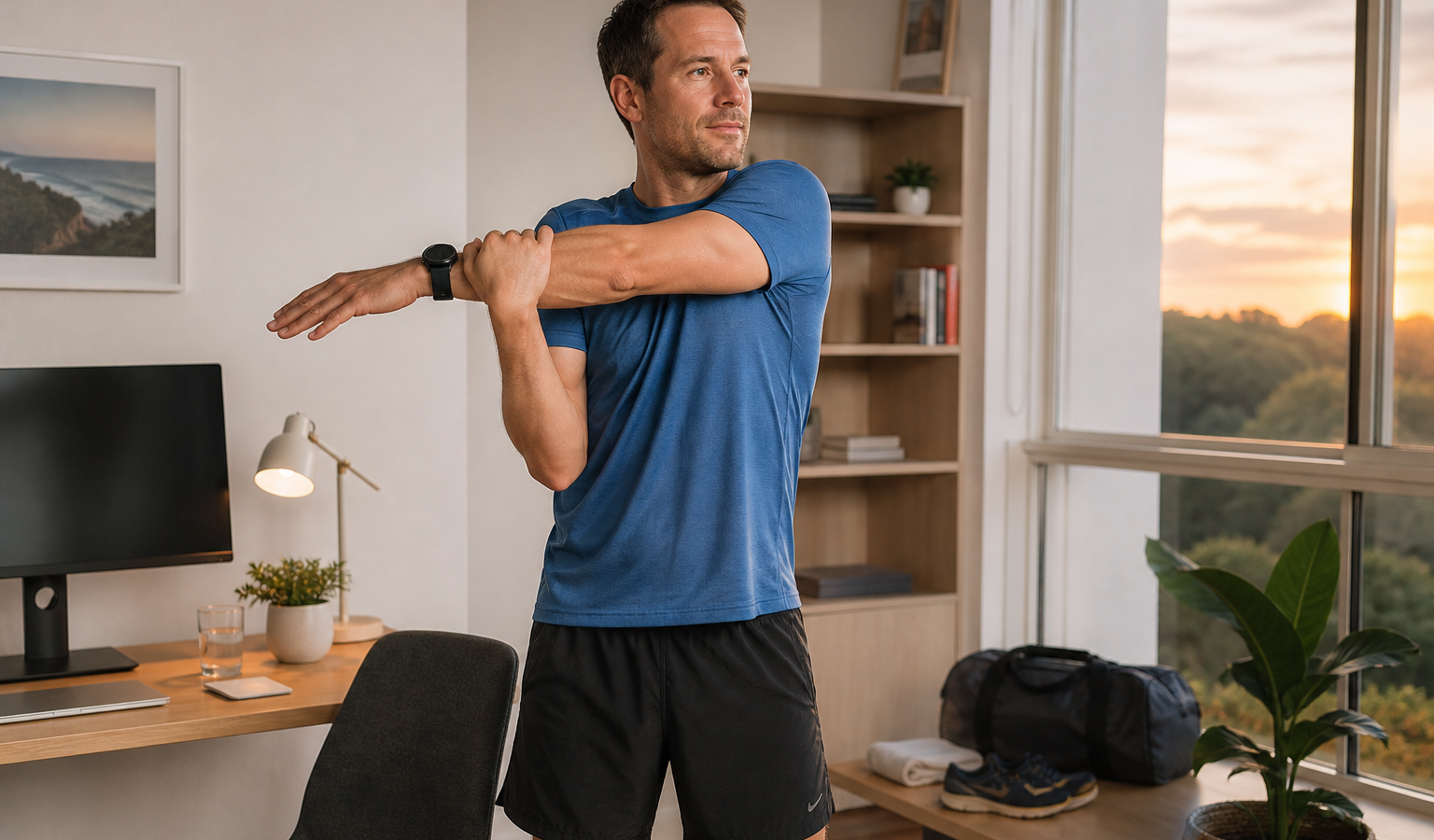
Stand tall with feet comfortable, reach one arm overhead and lean slightly to the opposite side. Return to centre and alternate for five slow repetitions each way. Keep the movement gentle rather than pulling aggressively.
2. Upper-back rotation
Cross the arms loosely over the chest and rotate left and right while the hips stay mostly forward. Use six controlled repetitions each direction. The movement should come from the upper trunk, not a forced twist through the lower back.
3. Supported ankle rocks
Face a wall or desk, place one foot forward and guide the knee toward the toes while the heel remains comfortable on the floor. Repeat eight to twelve times before switching sides.
4. Hip hinge
Place hands on the hips, soften the knees and send the hips back while keeping a long spine. Return to standing by pressing through the feet. Complete eight repetitions to rehearse hip movement.
5. Reverse lunge reach
Step one foot back into a short supported lunge and reach the same-side arm overhead. Use a wall if balance is uncertain. Alternate for five repetitions each side, keeping the range small.
6. March and calf raise
March slowly for 30 seconds, then complete ten controlled calf raises with fingertips on a stable surface. Finish with another 30 seconds of relaxed marching.
Prepare reusable hydration for evening sessions with bottles from Mizu Australia.
Adjust the run to the day
If work has been unusually stressful, sleep was poor or you have persistent soreness, an easy run may be more appropriate than intervals. RunHQ’s flexible running week explains how to move sessions without cramming missed work. A watch can show pace, but breathing and perceived effort are essential signals.
For a gentler recovery option after longer training, use the post-long-run mobility routine. Strength work belongs elsewhere in the week; the single-leg session is deliberately more demanding.
Clothing and practical setup
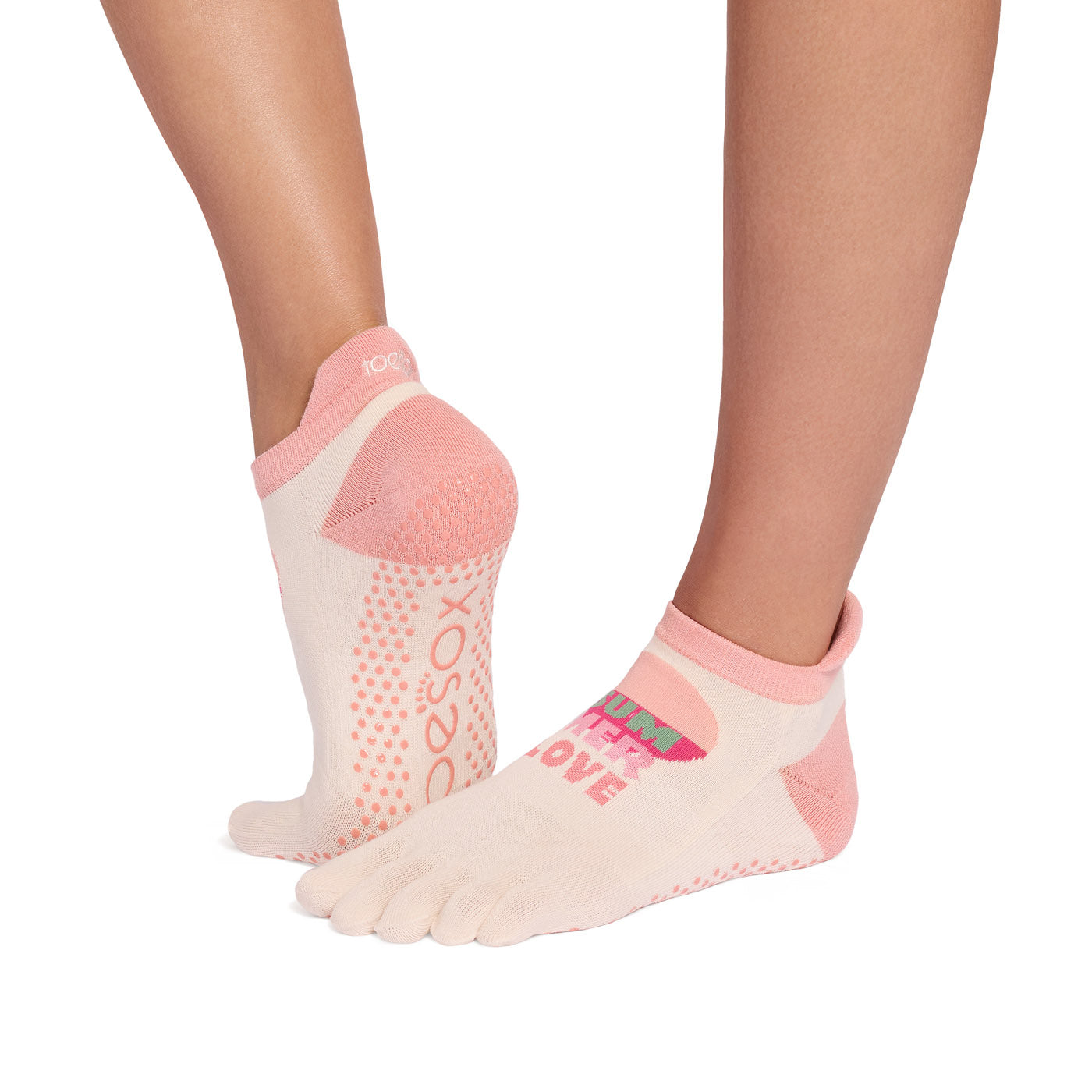
Change into comfortable activewear before starting so the routine becomes a clear transition from work. TAVI Active offers activewear and grip socks, while ToeSox lists grip-sock options for indoor movement. For outdoor running, use footwear and socks suited to the surface and conditions.
When to skip the sequence
Mobility is not a test for pain. Stop if a movement produces sharp pain, numbness, weakness or dizziness. Swelling, trauma, symptoms that alter your gait or pain that worsens with activity warrant professional assessment rather than a harder warm-up.
Conclusion
An after-work routine should leave you warmer, calmer and ready to begin easily. Move through a comfortable range, follow with slow running and adjust the workout to the day’s recovery. Eight consistent minutes are more useful than an occasional aggressive stretch.
Sources and image credit
- Better Health Channel: getting started with physical activity
- Better Health Channel: exercise safety
- Image: original AI-assisted RunHQ editorial artwork. © RunHQ / Charles R Summer.
Related reading: The 10-Minute Runner Mobility Reset: Before Work, After Travel or on Easy Days.