
Pilates for runners: a 20-minute easy-day reset with controlled movements and practical guidance for fitting it into the week.
Pilates can give runners a low-impact way to practise trunk control, hip movement and steady breathing without adding another hard running session. This 20-minute routine is designed for an easy or recovery day. It uses six simple movements, a mat and optional grip socks; the emphasis is control, not fatigue or extreme range.
Pilates for runners: How to use the session
Choose a clear, non-slip area and move slowly enough to notice your breathing. Complete one or two rounds depending on experience. Nothing should feel sharp, unstable or forced. Pilates does not replace progressive running, strength training or clinical rehabilitation, but it can complement a balanced week.
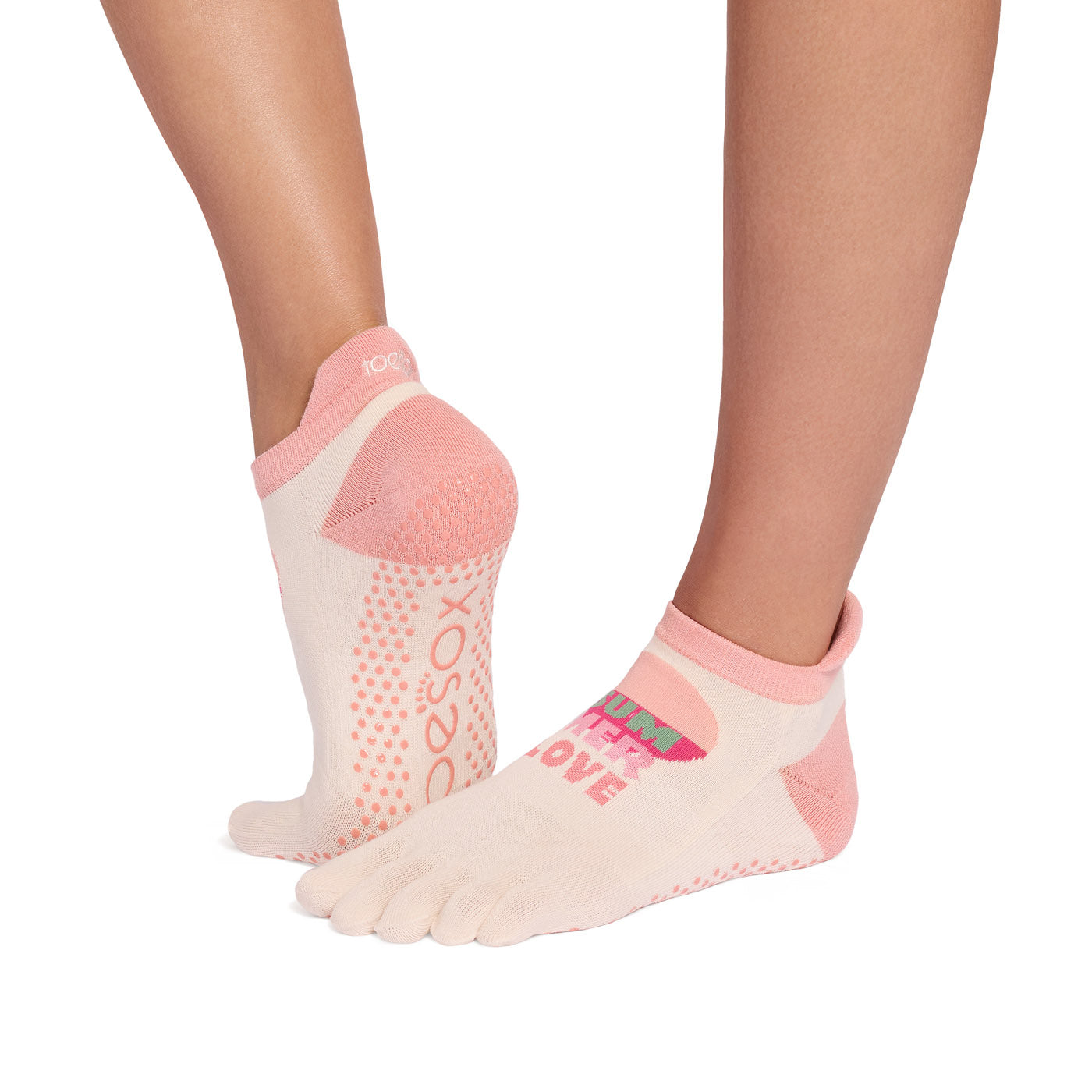
For studio activewear and grip socks, explore TAVI Active and ToeSox. Check fit and suitability before purchase.
The 20-minute routine
1. Breathing and pelvic clock
Lie on your back with knees bent and feet supported. Take five relaxed breaths, then gently explore small pelvic tilts without pressing or bracing hard. Keep the movement smooth for eight repetitions.
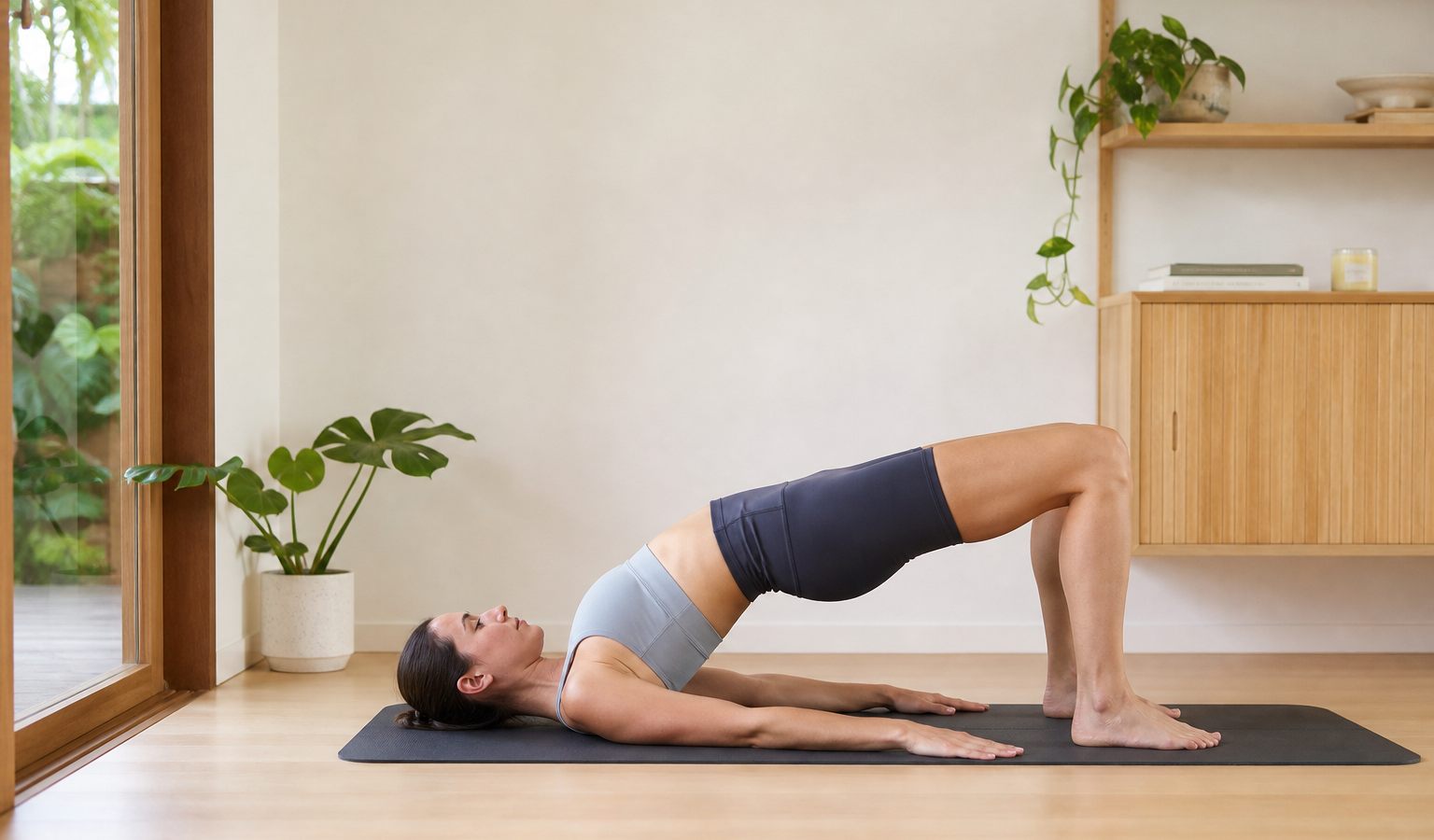
2. Bridge
Press evenly through both feet and lift the hips only as high as comfortable. Pause, breathe out and lower with control. Complete eight to twelve repetitions. Keep the ribs settled rather than arching the lower back.
3. Toe taps
Bring one leg at a time toward tabletop, or keep one foot down for an easier version. Lower one toe toward the floor while the trunk remains quiet. Alternate for six to ten repetitions each side.
4. Side-lying leg lift
Lie on one side with the lower knee bent for balance. Lengthen the top leg and lift it a small distance without rolling the pelvis back. Complete eight slow repetitions each side.
5. Bird dog
From hands and knees, slide one foot behind you and, if stable, reach the opposite arm forward. Avoid chasing height. Hold for one breath, return and alternate for six repetitions each side.
6. Seated spine rotation
Sit comfortably on a cushion or chair. Cross the arms and rotate gently through the upper back while keeping the pelvis steady. Use five slow repetitions each direction.
Keep a reusable bottle nearby during studio and run sessions; browse options at Mizu Australia.
Where Pilates fits around running
Place the routine after an easy run or on a separate recovery day. Avoid turning it into a maximal session immediately before intervals or a long run. RunHQ’s weekly schedule guide helps separate harder training, while the single-leg strength session provides a more progressive loading option.
If you attend a class, tell the instructor about current training and any symptoms. Grip socks from TAVI or ToeSox may suit some studios, but follow the venue’s policy and prioritise a secure surface. Clothing should allow comfortable movement without distraction.
Recovery basics still matter
Gentle movement can feel restorative, but sleep, food, hydration and sensible mileage remain central. Use RunHQ’s recovery meal builder for practical food ideas. If fatigue accumulates across several days, reduce training load rather than adding more recovery activities.
Conclusion
A useful Pilates routine for runners is calm, precise and repeatable. Keep the range comfortable, use supported variations and finish feeling more organised rather than depleted. Consistency matters more than advanced exercises.
Sources and image credit
- Australian Government movement recommendations
- Better Health Channel: exercise safety
- Image: original AI-assisted RunHQ editorial artwork. © RunHQ / Charles R Summer.
Related reading: Pilates Balance for Busy Runners: A 10-Minute Desk-to-Mat Reset.